YanShan Shunlinfeng Pipeline Manufacturing Co., Ltd.


Top Benefits of Using Stainless Steel Pipe Fittings in Construction
Release time:
Apr 22,2025
The benefits of using **stainless steel pipe fittings in construction** are both numerous and compelling. Their unparalleled durability, corrosion resistance, cost-effectiveness, versatility, and environmental friendliness make them an exceptional choice for any building project
1. Introduction to Stainless Steel Pipe Fittings
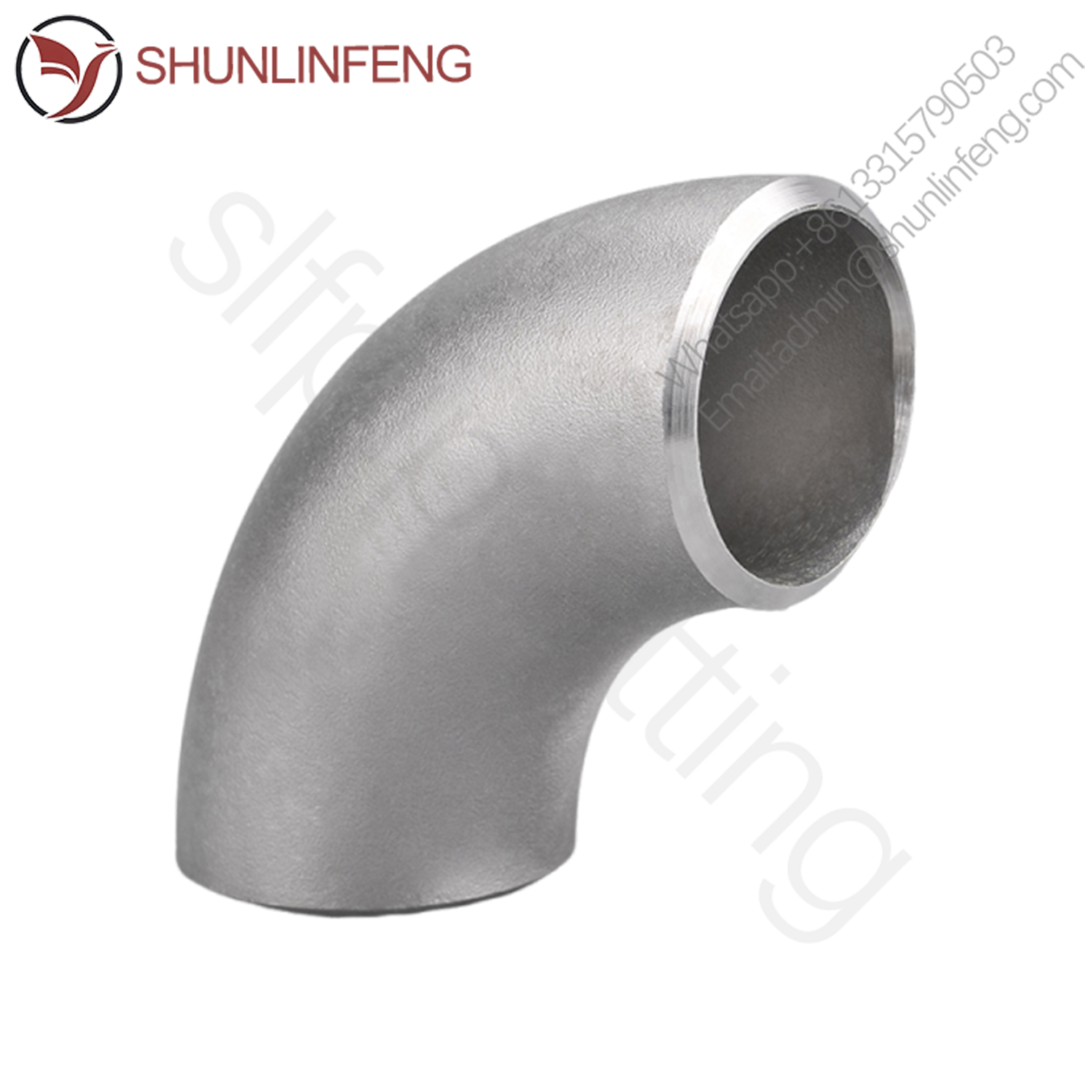
Stainless steel pipe fittings elbows flanges are essential components in various construction projects, serving as connectors in piping systems. They are designed to join pipes, redirect flow, and facilitate maintenance. The unique properties of stainless steel make these fittings highly durable and reliable, which is why they are favored in numerous applications ranging from residential plumbing to industrial installations.
2. Understanding Stainless Steel and Its Grades
Stainless steel is an iron alloy that contains a minimum of 10.5% chromium, which provides its corrosion-resistant properties. There are several grades of stainless steel, with the most common being:
- 304 Stainless Steel: This is the most widely used grade, known for its excellent corrosion resistance and good formability.
- 316 Stainless Steel: This grade offers enhanced corrosion resistance, particularly against chloride exposure, making it ideal for marine environments.
Choosing the right grade for your project is crucial, as it directly impacts the performance and lifespan of the fittings.
3. Durability and Longevity of Stainless Steel Pipe Fittings
One of the standout features of stainless steel pipe fittings is their remarkable durability. Unlike traditional materials such as copper or PVC, stainless steel is less likely to crack or break under pressure. When properly installed, stainless steel fittings can last for decades, providing peace of mind for builders and homeowners alike.
Moreover, stainless steel does not become brittle with age, allowing it to withstand extreme temperatures and environmental conditions. This makes it an excellent choice for both interior and exterior applications.
4. Corrosion Resistance: A Key Advantage
Corrosion can be a significant concern in any construction project, particularly in areas exposed to moisture and chemicals. Stainless steel pipe fittings excel in this regard due to their inherent resistance to rust and corrosion. The chromium content in stainless steel forms a passive layer of chromium oxide on its surface, preventing further oxidation.
This corrosion resistance translates to lower maintenance costs and less frequent replacements. In environments such as coastal regions, where saltwater can accelerate corrosion, stainless steel fittings provide a reliable solution that outlasts many alternatives.
5. Cost-Effectiveness Over Time
While the initial cost of stainless steel pipe fittings may be higher than that of other materials, their **long-term cost-effectiveness** cannot be overlooked. The durability and corrosion resistance of stainless steel lead to reduced repair and replacement costs over time. This makes stainless steel a financially savvy choice for both residential and commercial projects.
Additionally, the longevity of stainless steel fittings contributes to lower lifecycle costs, making them a prudent investment for any construction endeavor.
6. Versatility in Applications
Stainless steel pipe fittings are incredibly versatile and can be used in various applications, including:
- Plumbing Systems: Ideal for water supply, drainage, and heating systems.
- Industrial Applications: Suitable for chemical processing, food and beverage industries, and pharmaceuticals.
- HVAC Systems: Effective in managing heating, ventilation, and air conditioning.
The adaptability of stainless steel fittings ensures they meet the specific needs of diverse projects, enhancing their appeal to contractors and engineers.
7. Ease of Installation and Maintenance
Stainless steel pipe fittings are designed for straightforward installation, which can be a significant advantage in fast-paced construction environments. Many fittings come with standardized sizes and shapes, ensuring compatibility with various piping systems. This ease of installation can save time and labor costs, making construction projects more efficient.
Furthermore, maintaining stainless steel fittings is relatively simple. Periodic inspections and cleaning are often sufficient to keep them in optimal condition, reducing the need for extensive maintenance efforts.
8. Environmental Benefits of Using Stainless Steel
With an increasing focus on sustainability, the environmental benefits of **stainless steel** cannot be ignored. Stainless steel is 100% recyclable, meaning it can be repurposed at the end of its life cycle without losing quality. This characteristic significantly reduces waste and promotes a circular economy.
Additionally, the energy required to produce stainless steel fittings is often lower than that of materials like plastic or aluminum, making stainless steel a more environmentally friendly option for construction projects.
The benefits of using **stainless steel pipe fittings in construction** are both numerous and compelling. Their unparalleled durability, corrosion resistance, cost-effectiveness, versatility, and environmental friendliness make them an exceptional choice for any building project. As construction standards continue to evolve, opting for high-quality materials like stainless steel ensures that your projects remain robust, efficient, and sustainable. We encourage you to consider stainless steel pipe fittings for your next construction endeavor, as they represent a sound investment for the future.
Key words:
Related Blog
Contact Us
Mr.Jasper
Company Address:Yanshan County,Cangzhou City,Hebei Province,China
Contact Us
Scan code to contact us


